Summer, May to September: sweat is the enemy
Sweat left to dry on the skin leaves salt crystals that irritate and, under a saddle pad or girth, cause sweat scald — raw, weeping patches that take weeks to heal. After every summer ride, scrape the sweat off thoroughly, rinse with clean water, and if the horse is very wet walk it until the coat is only damp before turning it out.
Check the girth groove, the withers and the sheath area daily. Fungal infections thrive in the humid Bahraini summer and spread quickly between horses via shared brushes — never share grooming kits between animals in work.
Dust storms and the coat
During a shamal, fine alkaline dust settles deep into the coat and into the nostrils and eyes. Rug the horse if you can, and after the storm passes, curry and brush thoroughly rather than hosing — wet dust turns to cement in the hair. Wipe the eyes and nostrils with a clean damp cloth, one cloth per eye.
Winter: the short cool season
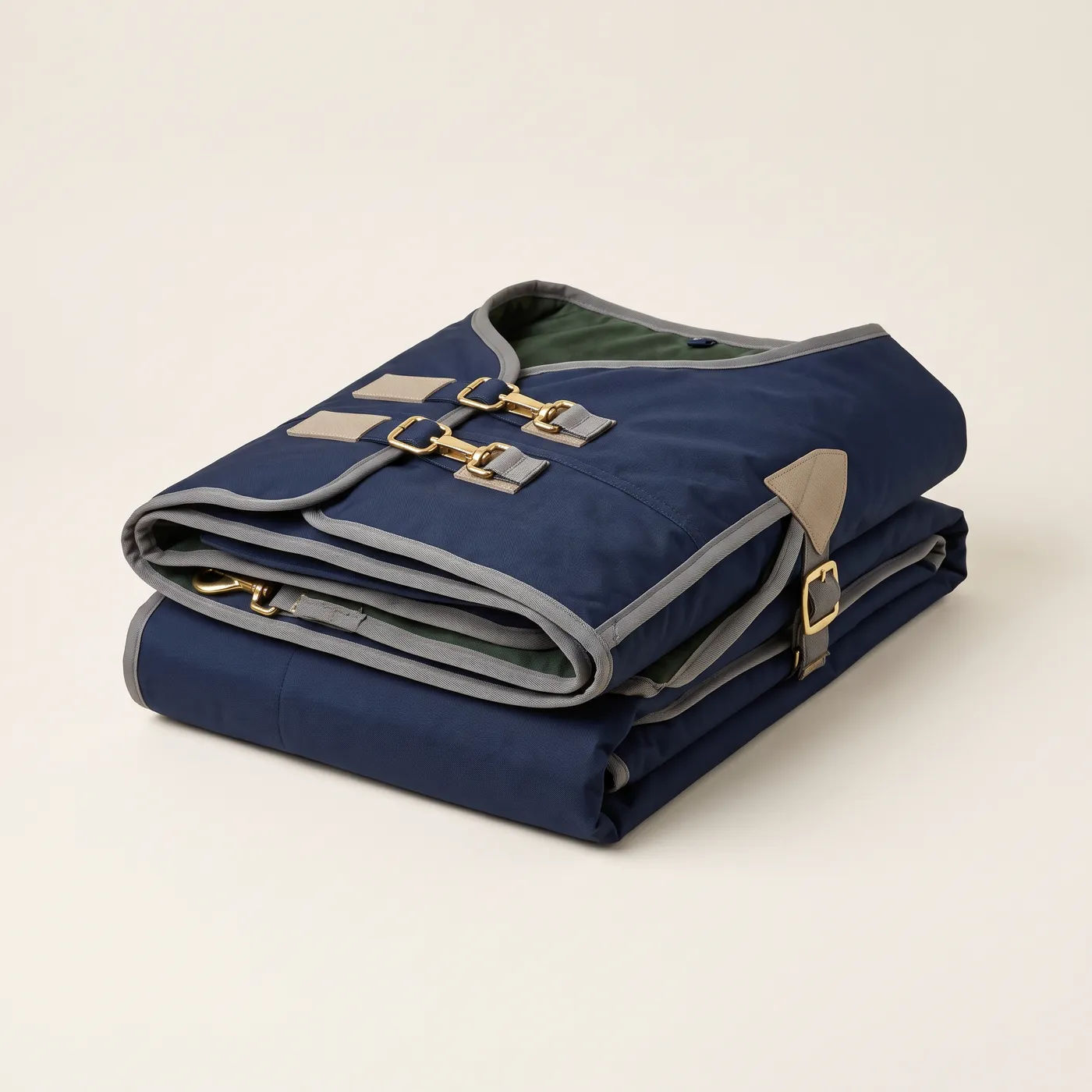
December to February brings nights down to 12–15 °C, and horses grow a coat they will not need by April. Clipping is a management decision: a clipped horse in a Bahraini winter needs a rug on cold nights, an unclipped horse dries faster after work if you use a sweat scraper and a wicking cooler rug. Do not clip a horse that lives out unsheltered.
Hooves, flies and the weekly round
The horn here is hard and dry. Pick out feet twice daily, oil the wall weekly in summer, and keep the farrier on a strict six-week cycle — long intervals in hot weather are when cracks and quarter separation start.
- Fly control: masks, fly spray before every ride, and pick up droppings from the paddock daily to break the cycle.
- Mane and tail: detangle with fingers and conditioner, never a brush from the root — you will pull hair out that takes a year to regrow.
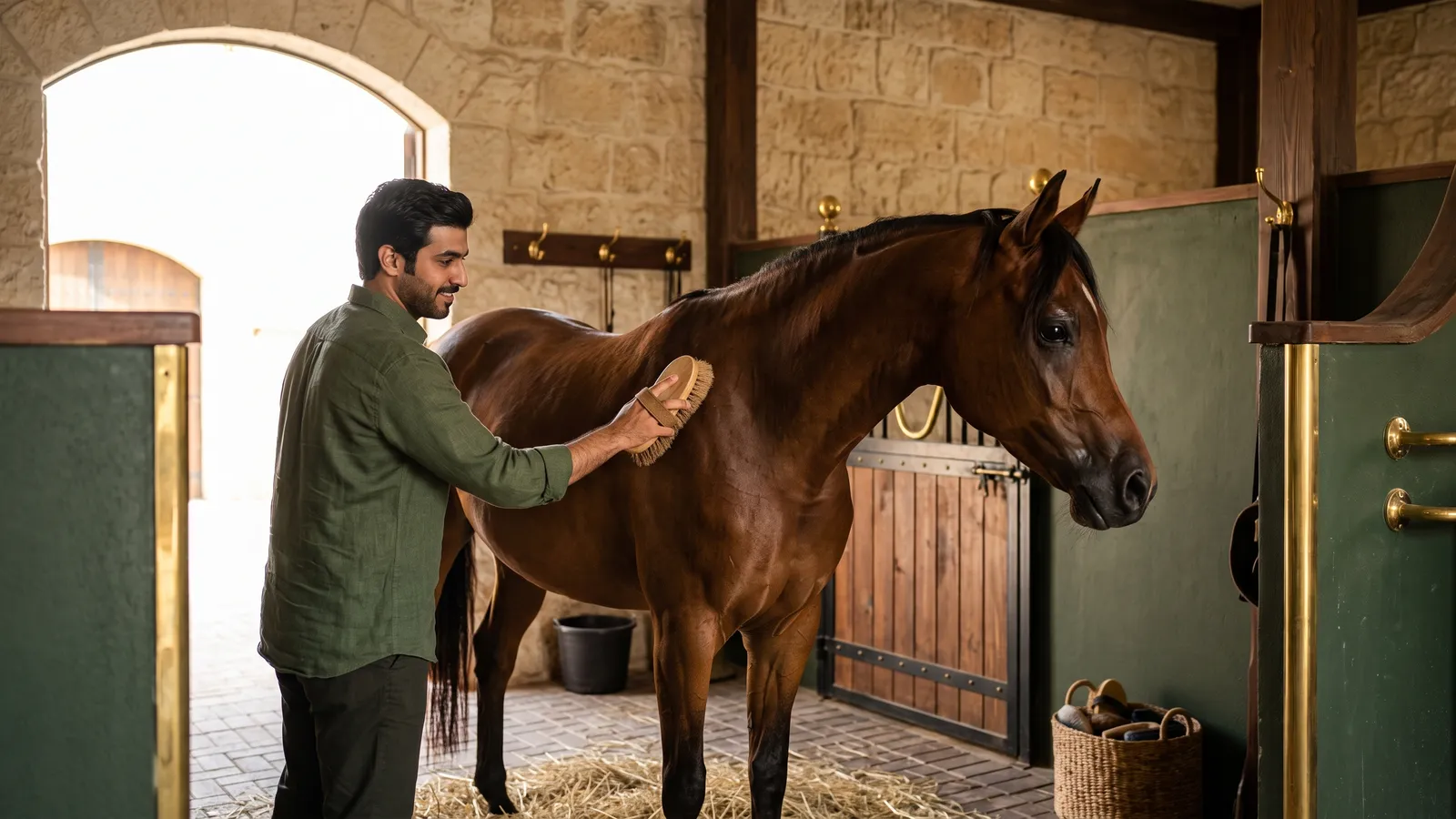
- A ten-minute daily grooming session finds injuries, heat, and swelling a day earlier than a weekly one.
This summary is provided for convenience. The full registered text governs.