Water: the camel is efficient, not magic
A camel can lose up to 25% of its body water and survive, and can drink 100 litres in ten minutes when it rehydrates. That tolerance is an emergency adaptation, not a husbandry plan. Lactating camels in Gulf heat need water available daily — often 20 to 40 litres per head. Restricting water to "keep them tough" reduces milk yield immediately and predisposes to impaction colic.
Roughage first, concentrates for work
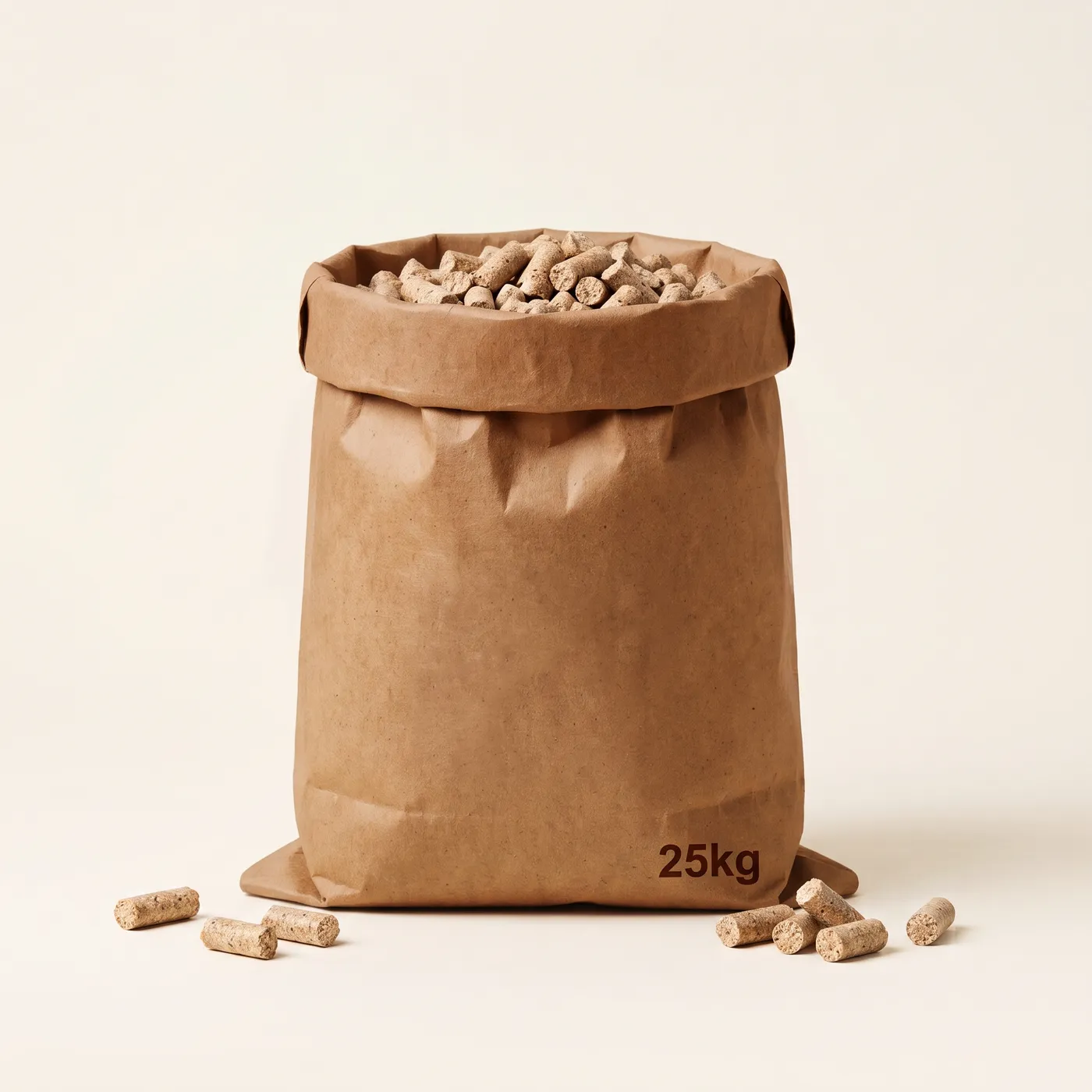
Grazing camels browse thorny, saline plants other livestock refuse and convert them efficiently. In a penned system, the base ration is grass hay or Rhodes/buffel, 1.5–2% of body weight daily. Racing and high-yield dairy camels need concentrate on top — a barley-based mix or a formulated camel pellet at 0.5–1% of body weight, split across two feeds.
The over-supplementation problem
Camels are prone to being over-dosed. Selenium toxicity, copper accumulation and vitamin A overdoses all show up in Gulf herds, usually because several products containing the same mineral are fed at once. Keep a single written ration sheet per animal, list every supplement by dose, and have one person responsible for feeding.
- Salt: offer free-choice rock salt at all times, especially in summer.
- Never feed mouldy hay — mycotoxins hit camels as hard as horses.
- Body condition scoring monthly beats guessing from the hump alone.
This summary is provided for convenience. The full registered text governs.